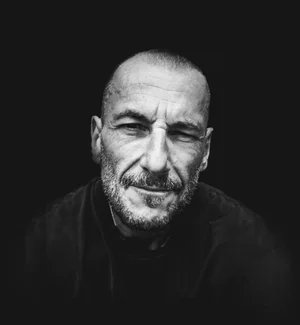
Just a beautiful moment.
There are times when nothing is particularly wrong, yet we cannot quite allow ourselves to enjoy what is right. We sit with someone we love, a coffee in our hands, the day beginning around us, and find ourselves somewhere else entirely. Working through a conversation from yesterday. Considering what needs doing tomorrow. Our bodies have arrived, but the rest of us is running late.
Sometimes the mind takes us backwards. We return to the conversation we should have handled differently, the decision we wish we had made sooner, the moment we still cannot forgive ourselves for mishandling. We replay the details as though the past might eventually offer us a different ending. The scene changes slightly each time, but the feeling remains. We are no longer remembering what happened; we are standing inside it again. The past becomes a place to punish ourselves.
And sometimes the mind moves in the other direction. We begin looking ahead, not with the calm of preparation but with the urgency of fear. We imagine the message that might arrive, the conversation that might go badly, the problem we will not know how to solve. We rehearse every possible version of what could happen, hoping that enough anticipation might protect us from surprise. The future becomes a place to frighten ourselves. Meanwhile, the life we actually have passes largely unnoticed.
There is value in looking back and sense in planning ahead. But there is a difference between learning from yesterday and living there. Between preparing for tomorrow and suffering through it before it arrives.
And so we receive the familiar instruction: live in the moment.
Four words. Simple enough to print on a mug. Incredibly difficult to put into practice while drinking from it.
Because knowing where we ought to place our attention does not mean we know how to keep it there. We can understand the importance of being present and still spend an entire walk composing a reply to someone who annoyed us three days ago. We can watch a sunset and wonder whether we have enough time to get something else done.
It is tempting to treat this as another personal failing. Now, alongside everything else we haven’t managed, we are apparently failing to appreciate being alive.
But the difficulty deserves a little more understanding.
Thinking can feel like taking responsibility. If we keep turning over the mistake, perhaps we can prevent another one. If we consider every possible outcome, perhaps nothing will catch us unprepared. Leaving a worry alone can feel almost negligent, as though our attention is the only thing keeping the feared event from happening.
So we return to it. Even when there is nothing new to learn and nothing useful left to do.
The instruction to be present asks us to interrupt that familiar arrangement. To accept that something can remain unfinished while we eat our breakfast. That we can enjoy an afternoon without first securing the outcome of next week. That a problem does not require our constant attention to remain something we care about.
I think this is where many of us struggle. We have made enjoyment conditional. Once the work settles down. Once the money is sorted. Once we understand what happens next. Then we will relax enough to inhabit the life we are working so hard to build.
But there will always be something awaiting an answer. If we need certainty before we can experience peace, we will spend a great deal of our lives waiting.
Being present does not mean pretending everything is beautiful. Some moments are painful, exhausting or desperately unfair. Nor is it a cure for depression or anxiety. It is a practice of noticing what is actually here, rather than allowing everything absent to occupy the whole room.
The person sitting opposite you. The warmth of your coffee. A reason to laugh on a difficult day. We don’t need everything to be right before we allow something to be good.
And perhaps the practice is less about staying present than returning. Noticing that we have disappeared into an imagined argument, and listening again. Realising we have reached for our phone halfway through a conversation, and putting it down. Feeling the water in the shower rather than conducting a meeting beneath it.
There is no need to make these small returns another performance to measure. The mind wanders. We notice. We come back. There is kindness in allowing it to be that ordinary.
Today, choose one thing you would usually hurry through. Drink your coffee without picking anything else up. Walk for a few minutes without listening to something. Ask someone how they are and give their answer your full attention.
When your thoughts pull you elsewhere, see if you can return without criticising yourself. Nothing needs to be forced into significance. You are simply giving an ordinary part of your life the chance to be experienced.
Perhaps you will notice something beautiful. Perhaps you will notice how tired you are. Either way, you will have stopped overlooking yourself and the world immediately around you.
And somewhere in the middle of a life that remains complicated, you might find yourself thinking:
This is the moment. And the moment is beautiful.