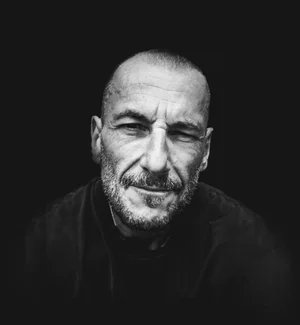
The creative act.
I had a good run.
I started out in music. Back when the budgets were high and the label managers were higher. Backstage passes, muddy festivals, drinking other people’s booze a
Eventually I moved on. Grew up. Got sharper. Shifted into advertising and brand development. Same energy, different vocabulary. I learned how to sell ideas, shape narratives, build things from scratch. I’ve sat in a limousine with Richard Branson rolling through Manhattan, dreaming up campaign ideas that probably never saw daylight. It didn’t matter. I was in the room. That was the point.
I believed creativity was a competition.
There were only so many seats at the table, so you had to fight to stay visible. Out-think, out-work, out-last.
And then, one day, I wasn’t in the room anymore.
Not because I gave up.
Not because I burned out but because the world moved on—and I wasn’t prepared to pretend it hadn’t. I think I aged myself out of the market. Too experienced. Too principled. Too unwilling to fake relevance or compete for a seat at a table I didn’t believe in anymore. I didn’t walk away. I just stopped trying. Stopped chasing. Stopped caring, if I’m honest.
Maybe I did give up.
But it didn’t feel like failure. It felt like something quieter.
Like letting go. But before anything began again, I sat in my own company for a long time. No title. No momentum. No answers. Just me—somewhere between lost and numb—hovering at the edge of that old, familiar place: the one that feels like failure, like disconnection, like defeat.
I’d been here before.
And I knew what came next if I didn’t do something different.
So I stopped trying to build something new—and started looking at what was already there. My story. My scars. My years of helping, guiding, leading—often without calling it that. The way people had always come to me when things fell apart. The way I showed up, even when I didn’t know what to call it.
And slowly, I realised: maybe the secret wasn’t ahead of me.
Maybe it was already mine.
Maybe the next chapter wasn’t about chasing purpose—but recognising it had already been part of my life all along. There’s something quietly brutal about losing the thing you thought made you matter. It doesn’t come with applause or a clear ending. It just fades—and takes your identity with it.
That silence—after the title disappears, after the calendar empties—that’s where something new begins.
“The highest creative expression for a human being is to be able to create something new right in the face of adversity, and the worse the adversity, the greater the opportunity.”
Phil Stutz
I had always linked creativity to success. To output. Recognition. Momentum. But here was this idea: that creativity doesn’t thrive despite the chaos—it comes from it. It’s not what you do when you feel inspired. It’s what you do when you’re completely lost, and still choose to move.
So I started writing. Journalling.
Emptying my head of the thoughts and conversations, the instructions I’d built for myself that kept me focused and moving forward. Not for clicks. Not for clients. For clarity. Initially, it helped to fill the void. It gave shape to the silence. But then something changed.
Writing became part of my learning process—part of how I worked out what I actually believed. I wrote about life. About how to avoid the shit. Simple stuff.
How to reframe the pain. How to spot the exits when you’re cornered by your own mind. And somehow, it came easily. Not because I was wise. But because I was finally willing to be honest.
And people responded.
Not with likes—but with honesty. With their own stories. Their own questions. Their own shifts. Because when something is real, people feel it. It’s rare. And people are starved for it.
That’s when it clicked.
Creativity wasn’t dead. It had just been buried under performance. The real opportunity wasn’t to reinvent myself as someone new. It was to return to something older, deeper, simpler.
And that’s when everything fell into place.
People don’t need solutions shouted at them. They need space to think clearly. They need someone present enough to hear what’s underneath their words. Someone who isn’t performing. Just there. With them.
That’s where my creativity shows up now.
In the listening. In the questions.
In the exact moment someone sees themselves differently—because of something we found in the space between us. This is the real creative act: Helping someone shift. Even just a little. Creating a new thought. A better habit. A way forward they didn’t see before. It’s not about striving for originality, the thing that’s never been done before, It’s about impact.
And when you stop performing, it all flows. Ideas. Energy. Presence. Not because you’re trying to be creative. Because you’re finally connected to something real.
I’m more creative now than I’ve ever been.
Not because I’ve found a niche. Because I stopped chasing one. I’m a long way from where I started. The clients. The campaigns. The titles. The rooms I frequent now aren’t meeting rooms—but rooms that hold meetings. And those meetings are full of energy and ideas—raw, unfiltered, human. That energy flows directly into my coaching. It’s there, vivid and alive, in every client conversation I have.
So in the end, my most creative moment looked nothing like I’d ever imagined.